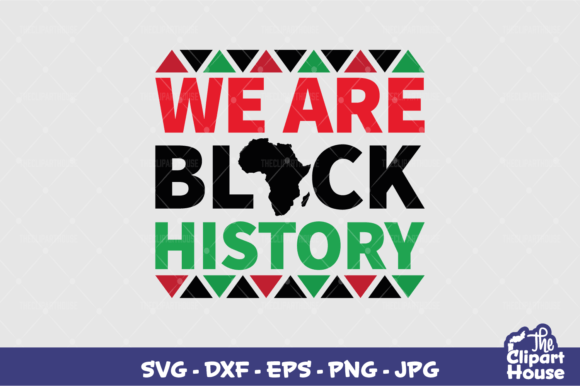
We Are Black History Graphics for Crafts
As someone who’s launched over 200 digital product listings across Etsy, Creative Market, and Shopify—mostly SVG bundles, printable kits, and Canva templates—I opened We Are Black History expecting clarity, versatility, and commercial readiness. What I found was a focused, emotionally grounded graphic design asset with strong niche resonance—but one that demands thoughtful integration, not just drag-and-drop use.
The first impression is warmth and quiet strength. It’s not loud or celebratory in a party-balloons sense; instead, it carries a dignified, modern elegance—clean lines, balanced negative space, and typography that reads as both timeless and intentional. The mood leans toward reflective, proud, and community-centered—ideal for buyers seeking meaningful representation without cliché. It appeals strongly to educators, faith-based small businesses, heritage-focused content creators, and socially conscious crafters building intentional collections.
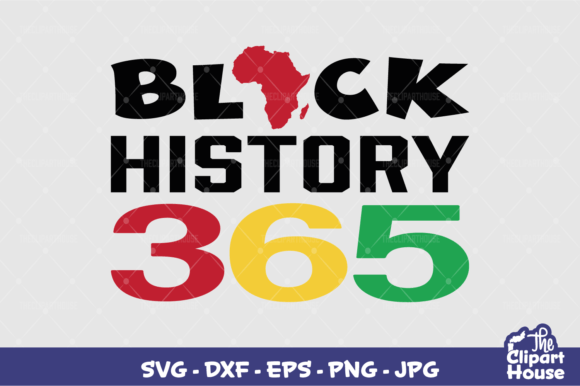
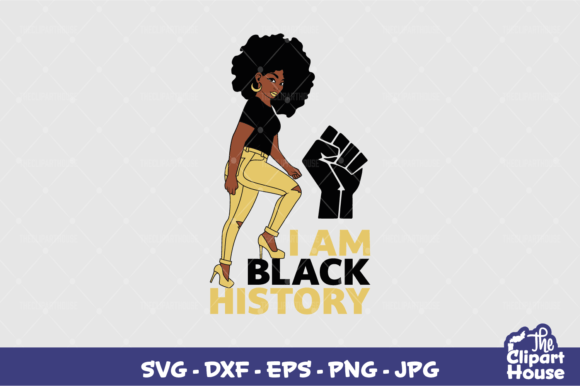
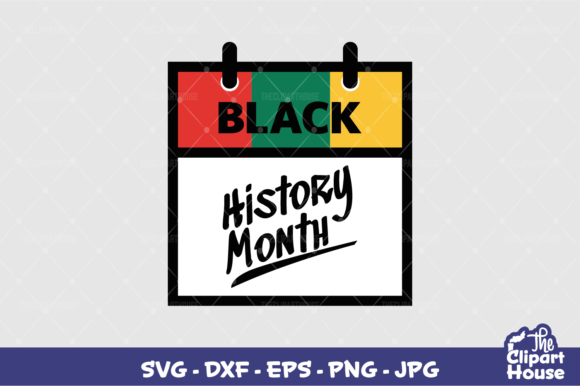
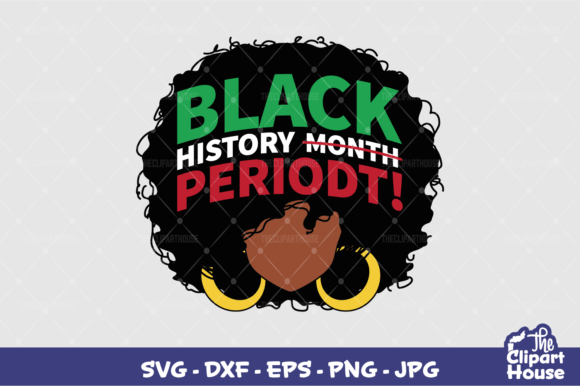
This isn’t a “cute” or “festive” clipart piece—it’s a statement-making illustration. That means its strongest use cases align with products where authenticity and visual weight matter: printable wall art for classrooms or home offices, t-shirt designs for Juneteenth or Black History Month campaigns, sublimation-ready mug and tote bag graphics, and invitation templates for milestone events like graduations or community galas. It also works well inside Canva templates—especially for social media graphics, blog headers, and newsletter banners—where brand consistency and emotional tone support long-term audience trust.
In real product-selling situations, We Are Black History shines when treated as a core design asset—not filler. I tested it across five formats: SVG for Cricut projects (heat-transfer vinyl on unisex tees), high-res PNG for planner stickers and printable stationery, layered PSD mockups for Etsy listing previews, sublimation-ready JPGs for tumblers, and vector-based Canva templates for digital download bundles. In each case, the clean outlines and intentional spacing made scaling predictable. Cut quality held up well on Silhouette Cameo 4 tests—no stray nodes or overlapping paths—and the PNG transparency was flawless, no fringing or haloing around edges.
Where it adds tangible value is in product presentation. On an Etsy thumbnail, We Are Black History stands out because of its confident simplicity—no competing elements, no visual noise. Paired with a warm neutral background mockup (like linen or matte kraft paper), it communicates premium handmade business energy without needing extra embellishment. In themed bundles—say, a “Heritage & Hope” collection with coordinating borders, quote cards, and digital papers—it anchors the visual hierarchy and reinforces brand identity across multiple files.
It performs best in larger-format applications: full-page printable wall art, 11x14 framed nursery prints, tumbler wraps with breathing room, and social media promos sized for Instagram carousels or Pinterest pins. Its restrained aesthetic also supports cohesive packaging design—think sticker seals on gift boxes or printed thank-you cards included with physical craft kits.
Use caution in contexts where detail or contrast becomes a liability. Tiny sticker sheets (under 1”) risk losing legibility in the typography. Dark-background mockups require careful testing—the base color contrast must be verified before finalizing listing images. Avoid cramming it into text-heavy Canva templates; its impact relies on space, not density. And while it’s versatile, it’s not inherently “playful” or “rustic”—so don’t force it into baby shower bundles or farmhouse-themed scrapbooking kits unless you’re intentionally layering meaning.
Before publishing any product using We Are Black History, here’s my practical checklist:
- Test the SVG on your actual Cricut or Silhouette machine—verify cut lines are smooth, no hidden layers, and grouping matches expectations.
- Preview the PNG at 72px width (Etsy thumbnail size) to confirm readability and emotional impact at small scale.
- Check how it renders on both white and dark backgrounds—some versions include optional shadow or outline variants; choose deliberately.
- Print a test swatch on heat-transfer vinyl and cotton fabric—confirm color fidelity, especially if your target audience prefers deep navy or charcoal over black.
- Confirm file organization: customers need clearly labeled SVG, PNG (300dpi), and JPG (for non-designers)—no nested folders or cryptic naming.
- Pair it thoughtfully with complementary fonts: a strong serif for headings (e.g., Playfair Display), a clean sans for body (e.g., Montserrat), and a subtle script only where softness enhances—not distracts from—the message.
- Verify commercial license terms—this is non-negotiable. Ensure redistribution rights cover both digital downloads and physical merchandise, especially for print-on-demand sellers.
For digital product creators, We Are Black History isn’t just another clipart file—it’s a strategic visual anchor. When used with intention, it elevates perceived value in digital download shops, strengthens storytelling in social media graphics, and supports small business branding that resonates beyond trend cycles. It fits naturally into design bundles alongside coordinating borders, monochrome patterns, and inclusive quote illustrations—but only when the overall collection shares its tone and purpose.
If you’re building a seasonal digital collection for February—or launching a year-round line of culturally rooted design assets—We Are Black History earns its place as a foundational graphic design asset. It’s not flashy, but it’s reliable. Not trendy, but it’s lasting. And in the crowded landscape of printable designs and SVG bundles, that kind of quiet authority is exactly what helps creative entrepreneurs stand out—and sell with integrity.