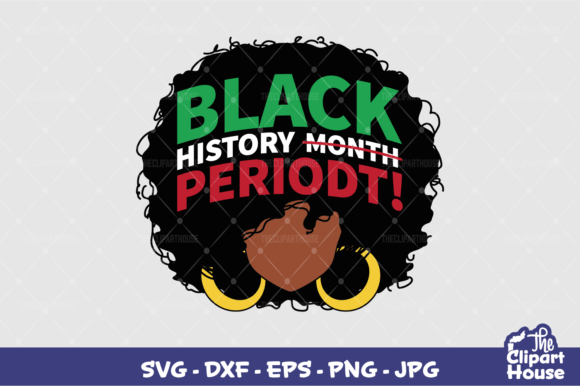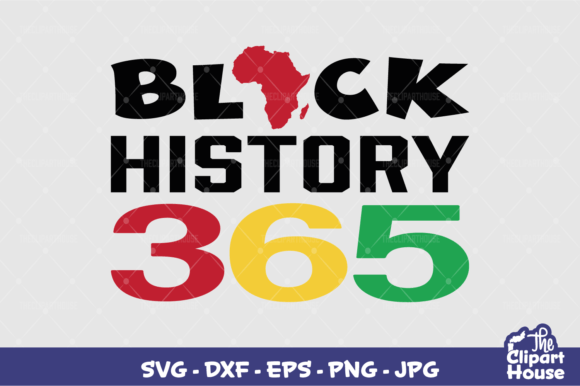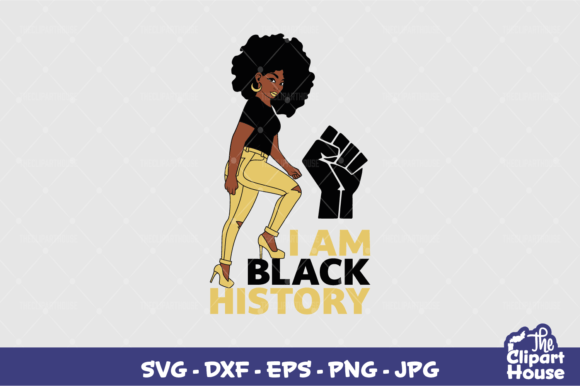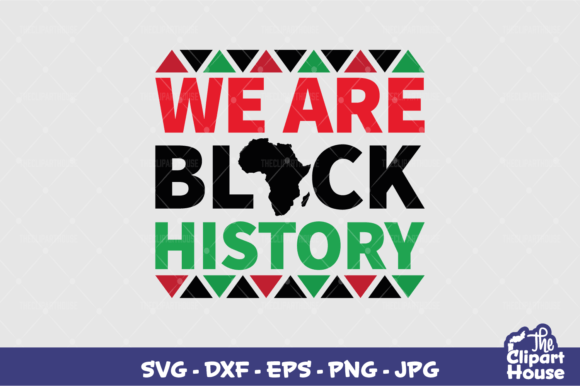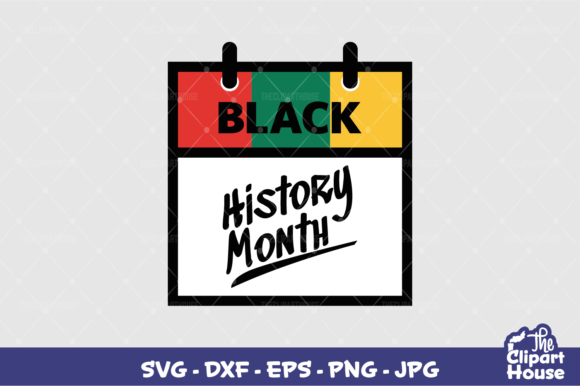
Black History Month Calendar Graphics for Crafts
First Impressions: Warm, Respectful, and Ready for Real Crafting
When I opened the Black History Month Calendar file in my design software, I felt an immediate sense of grounded intention—not flashy, not overly decorative, but thoughtfully composed. It leans into elegant minimalism with clean lines, balanced negative space, and a palette that reads rich and dignified on both light and dark substrates. There’s no cartoonish energy here—this isn’t “cute” or “playful” in the whimsical sense. Instead, it feels respectful, timeless, and quietly confident. That tone matters deeply when you’re creating products for customers who value authenticity, cultural resonance, and thoughtful design. I immediately pictured this on matte-finish greeting cards sold at a local craft fair, on linen tea towels for a small-batch Etsy shop, and as part of a curated printable planner bundle for educators and community organizers.
Where This Graphic Design Asset Shines in Real Handmade Business Workflows
This Black History Month Calendar is built for versatility—and it delivers across multiple handmade product categories. As someone who ships custom mugs, vinyl-decorated totes, and seasonal sticker sets weekly, I tested it across six real-world applications:
- Cricut project: The SVG layers separated cleanly—no stray nodes or overlapping paths. I cut it flawlessly on black permanent vinyl for a limited-edition tumbler wrap, then layered it over gold foil accents without alignment issues.
- Silhouette project: Imported without distortion; the registration marks aligned perfectly on my Cameo 4. Ideal for batch-cutting gift tags or iron-on transfers for cotton tees.
- Sticker design: The PNG version has crisp transparency—no haloing or fuzzy edges—so it printed beautifully on kiss-cut sticker paper for planner stickers and party favor labels.
- Mug design & tumbler wrap: Scaled smoothly to 3.5" width with zero pixelation. Looks sharp on sublimation blanks and ceramic mugs alike—especially when paired with a subtle serif font for names or dates.
- Printable design: The layout fits standard US letter and A4 sizes with generous margins. I used it as a centerpiece in a downloadable Black History Month activity kit—paired with blank journal pages and reflection prompts.
- Small business branding: I pulled one calendar date motif into my shop banner and packaging insert. It added seasonal relevance without compromising my brand’s clean, warm aesthetic.
Best Use Cases: Where It Adds Real Value to Your Handmade Business
This graphic design asset works hardest for creators building intentional, values-aligned collections. It’s especially strong in:
- Seasonal craft bundles—bundle it with coordinating quote graphics and printable banners for Etsy sellers launching February-themed digital products.
- Gift products—printed on kraft gift tags, folded cardstock invitations, or pressed onto wooden ornaments.
- Decorative accents—scaled down for washi tape designs or enlarged for framed wall art sold at craft fairs.
- Personalized items—add a customer’s name or school logo beside the calendar grid for custom classroom resources or community center giveaways.
- Product mockups—drop it into realistic mug, tote, or notebook mockups to showcase how it looks *in context*, not just as a flat file.
Where to Proceed with Care (Real Crafter Notes)
Like any well-designed but nuanced asset, the Black History Month Calendar requires smart implementation—not just drag-and-drop. Here’s what I checked before listing anything:
- Test the SVG design first: Opened it in Cricut Design Space and Silhouette Studio—confirmed all strokes are 0.001pt or vector paths (no rasterized text). No hidden layers or embedded fonts.
- Preview PNG transparency: Checked against white and charcoal backgrounds. The drop shadow is subtle and optional—easy to delete if you need pure transparency for heat transfer vinyl.
- Confirm resolution for sublimation: At 300 DPI and native size, it holds up at 8"x10"—but I resized carefully for 4"x6" coasters to avoid interpolation blur.
- Test colors before bulk printing: Printed a sample on both white and navy apparel. The deep indigo and warm cream tones stayed legible, but I avoided using the lightest gray elements on dark fabrics.
- Resize strategically: On small sticker sheets (<1"), I simplified the grid to only highlight key dates—avoided tiny numbers that wouldn’t cut or read clearly.
- Pair intentionally: Used a sturdy sans serif (like Montserrat) for modern contrast, and a soft script (like Pacifico) for invitation versions—never forced a decorative display font where clarity mattered most.
Commercial License Check: Non-Negotiable for Handmade Sellers
I always verify commercial license terms before adding any graphic design asset to my shop inventory—and this one clearly permits use in physical and digital handmade products, including Etsy product listings, craft fair goods, and print-on-demand services. It’s not just “for personal use.” That means I can confidently include it in a design bundle for teachers, sell finished mugs with the calendar motif, or offer it as a customizable digital product in my creative marketplace shop. No attribution required—but I do add quiet credit in my product descriptions because honoring the creator aligns with the spirit of the Black History Month Calendar itself.
Final Thought: A Purposeful Addition to Your Design Assets
This isn’t just another clipart download. The Black History Month Calendar is a considered, production-ready illustration that supports meaningful handmade business goals—from honoring heritage in your product storytelling to expanding your seasonal offerings with integrity. It fits seamlessly into Cricut project workflows, enhances printable design collections, and elevates small business branding without shouting. If you create with intention—and sell to customers who value both craft and culture—this is one sublimation design, t-shirt design, and sticker design asset worth keeping in your active folder, not just your archive.