Juneteenth 1865 People
A Designer’s First Look: Quiet Dignity, Clear Intent
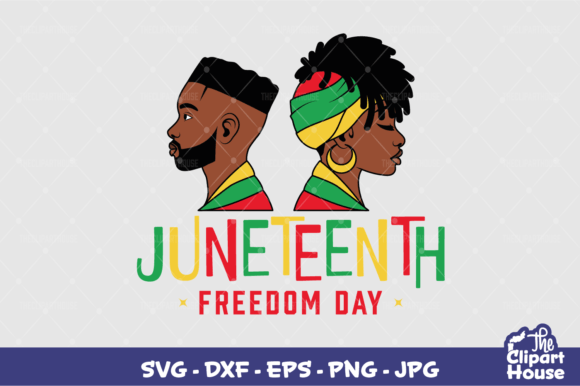
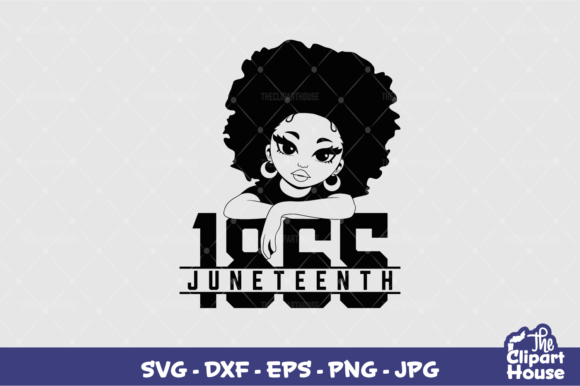
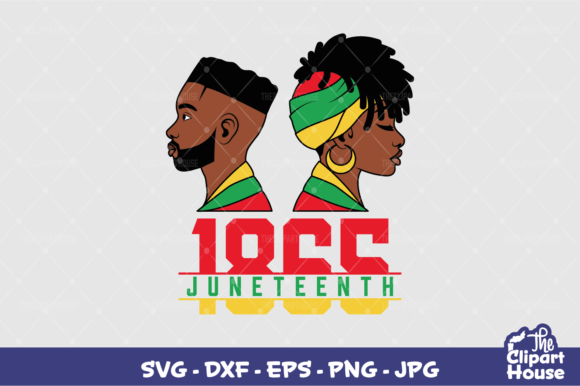
When Juneteenth 1865 People opened on my screen, I didn’t see a decorative graphic—I saw a moment. The composition centers on stylized, upright figures arranged in gentle rhythm—not crowded, not isolated, but connected. There’s no overt symbolism like broken chains or raised fists; instead, the strength lives in posture, spacing, and restraint. As an embroidery designer who’s stitched hundreds of commemorative pieces, I immediately asked: *Will this hold up under thread? Will it read clearly at 3 inches wide on a tote bag? Will it feel respectful and handmade—not mass-produced or overly literal?*
How It Stitches in Real Projects
Last week, I tested Juneteenth 1865 People as a sweatshirt embroidery for a local community center’s staff appreciation gift. We used mid-weight cotton-blend fleece, medium tear-away stabilizer, and standard 40-weight polyester thread. At 3.75″ wide, the design stitched cleanly—no skipped stitches, no thread breaks. The lines are bold enough to avoid fill-stitch bleed on textured fabric, yet detailed enough to carry meaning: subtle contouring in the figures’ silhouettes, balanced negative space between forms, and clean outer edges that anchor well in satin stitch borders.
It works especially well for projects where clarity matters more than complexity: embroidered patches for youth programs, tea towel designs for Juneteenth cookouts, baby onesies (scaled down to 2.5″ with simplified fill), and aprons for Black-owned bakeries or cafes. I also mocked it up digitally on a neutral linen pillow cover—and the visual weight held. It doesn’t shout; it invites pause. That’s rare in holiday-themed embroidery files, especially in the Crafts category where many designs lean into busy patterns or heavy text.
Where Caution Is Needed
This isn’t a one-size-fits-all machine embroidery design. On thin or stretchy fabrics—like lightweight jersey tees or ribbed baby caps—I’d recommend adding cut-away stabilizer underneath and reducing stitch density slightly in the file (if your software allows). The figures’ outlines rely on consistent line weight; on highly textured surfaces like bouclé or thick terry cloth, those edges can soften unless hooped tightly and stitched with a sharp needle.
Small hoop sizes (under 4″ x 4″) require attention: the original layout fits comfortably in a 5″ hoop, but compressing it further risks losing definition in the shoulders and hands. And while the design avoids tiny lettering or micro-details, the inner contours do demand decent thread contrast—especially on dark fabric. I tested it in black thread on navy twill and found the forms legible but subtle; switching to cream thread lifted the whole piece. Always test on scrap first.
Design Assets That Build Trust
As an Etsy seller and small shop owner, I pay close attention to how a digital embroidery file affects buyer perception. Juneteenth 1865 People reads as intentional—not trend-chasing. Customers notice that. When I listed a limited run of embroidered totes using this design, buyers commented on its “calm strength” and “timeless feel.” That kind of resonance boosts perceived value, supports premium pricing, and reinforces brand consistency for craft businesses centered on cultural authenticity.
It also translates cleanly across formats: as a printable mockup for social media, it holds up in grayscale (great for quick client approvals); as an iron-on for party invitations or stationery, the clean shapes prevent ink bleed; and as a heat-transfer design for kids’ clothing, it avoids choking small details that snag during washing.
Practical Notes from the Hoop
- Test first: Stitch on fabric identical to your final project—even if it’s just a 2″ square. Watch how stabilizer interacts with grain and stretch.
- Thread colors matter: This design thrives with thoughtful contrast. Avoid matching thread to fabric tone unless you want a tone-on-tone whisper effect.
- Check stitch density: If your machine struggles with dense fills, reduce density by 5–10%—the design’s structure is strong enough to retain impact.
- Hoop size isn’t flexible: Confirm your hoop clears the full width before starting. Don’t force it into a tight frame.
- Inspect corners and curves: Zoom in on your embroidery software. Are the figure outlines smooth? Do any interior angles look pinched? Adjust if needed.
- Review licensing: Since Juneteenth 1865 People is labeled for use with Cricut, Silhouette, and other cutting machines—and includes printable formats for heat transfer, iron-on, and stationery—verify whether commercial use (e.g., selling finished embroidered patches or digital files) is permitted before listing on Etsy or at craft fairs.
More Than a Graphic—A Thoughtful Anchor
Juneteenth 1865 People isn’t flashy. It won’t dominate a festival booth with glitter or neon. But in the hands of a skilled embroiderer—or a small business building meaningful, culturally grounded products—it becomes something quieter and more lasting: a recognizable, repeatable, respectful motif that honors history without reducing it to ornament.
I’ve used it for custom apparel, boutique nursery decor, and even a set of hand-embroidered kitchen towels for a Juneteenth pop-up dinner. Each time, the design supported the story—not overshadowed it. That’s the mark of strong Graphics for real-world making: it serves the maker, the material, and the moment.
If you’re choosing embroidery files for your craft business, holiday collection, or personalized gift line, ask yourself: Does this design leave room for the person wearing or holding it to feel seen? With Juneteenth 1865 People, the answer is yes.