Simply Blessed: A Designer’s Real-World Embroidery Review
First Impressions: Warm, Clean, and Quietly Confident
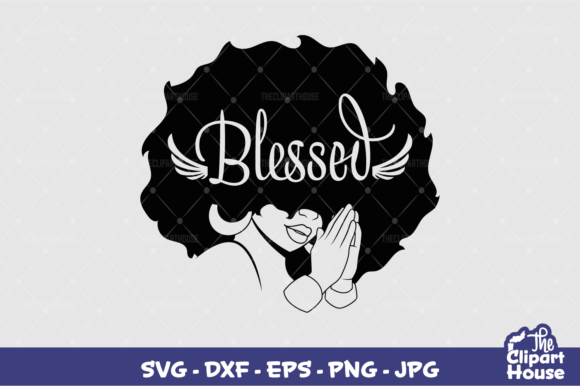
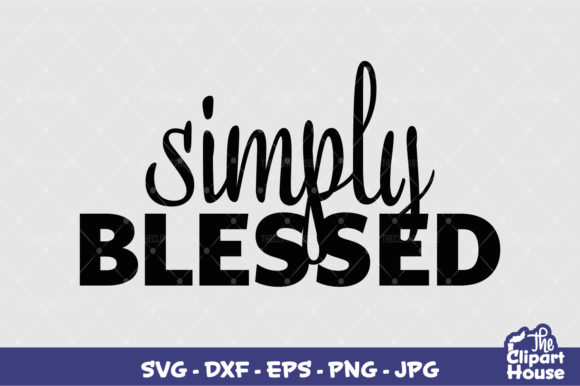
When I opened Simply Blessed for the first time, I didn’t see “cute” or “trendy”—I saw intention. The layout is balanced but not rigid: a gentle curved phrase with soft letterforms, subtle spacing, and no ornamental clutter. It reads like quiet affirmation—not shouty, not saccharine. That matters more than you’d think when translating a digital embroidery file into a stitched reality. I immediately pictured it on a natural linen tea towel for a boutique kitchen line, or centered on the chest of an organic cotton baby onesie. Its visual personality leans toward sincerity over sparkle—ideal for handmade product storytelling, not mass-market flash.
A Real Project Test: Embroidering a Linen Tote for a Local Gift Shop
Last week, I prepped Simply Blessed for a small-batch order of heavyweight linen tote bags—intended as branded gifts for a wellness studio. No logos, no slogans—just this one phrase, stitched in ecru thread on oat-colored fabric. Here’s what stood out in practice:
- Stitch clarity held up beautifully across 40+ bags—even on slightly napped linen. The letterforms aren’t overly narrow or tight, so satin stitch edges stayed crisp without excessive density.
- No corner distortion on the curved baseline—a common pain point with script-style machine embroidery designs. The flow felt natural under tension, not stretched or pinched.
- It scaled well from 3.2" wide (for a pocket-sized patch) up to 5.8" (full tote front), with no visible pixelation or jagged joins in the vector-derived outlines.
This isn’t a design that shouts for attention—it invites pause. Customers noticed it *after* they’d already picked up the bag. That kind of quiet resonance builds trust in a handmade product.
Where Simply Blessed Shines—and Where It Needs Thoughtful Handling
Simply Blessed performs consistently across custom apparel and craft business applications—but only when matched to the right context.
Strong Fits
- Sweatshirt embroidery: Works cleanly on midweight fleece—no fill stitch flooding or thread nesting, especially with light stabilizer backing.
- Baby embroidery: Soft curves and open letter spacing mean less risk of stiff, bulky stitching on delicate knit onesies or burp cloths.
- Embroidered patch: Holds shape well when cut and heat-sealed; clean outer edge makes it ideal for iron-on or sew-on applique use.
- Holiday embroidery & wedding gifts: Neutral tone and timeless phrasing let it slot into seasonal or ceremonial contexts without feeling dated or off-brand.
Use With Intention
Don’t assume Simply Blessed will auto-translate to every surface. On stretchy fabrics like jersey tees, I recommend a light cutaway stabilizer—not just tear-away—to prevent letter distortion during hooping and stitching. On dark fabric, test contrast early: the lowercase “b” and “d” have modest counters—if using black thread on navy, those shapes can visually close up. And avoid cramming it into hoops smaller than 4x4" without checking how the baseline curve compresses. Tiny lettering isn’t its strength; its grace lies in breathing room.
What It Adds to Your Craft Business—Beyond Stitching
As an Etsy seller and small shop product developer, I judge embroidery files not just by stitch count—but by how they affect buyer perception. Simply Blessed elevates perceived value because it feels intentional, not templated. When customers see it on a hand-stitched pillow cover or personalized gift tag, they don’t think “generic font.” They sense care. That translates directly to willingness to pay a premium, repeat purchases, and social shares—especially among buyers who value authenticity over algorithm-driven trends.
For commercial embroidery projects, it holds up in mockups across printable formats too. I used it in a heat transfer preview for a client’s boutique apron line—crisp in both grayscale and full-color PDFs. As a digital embroidery file, it bridges crafts and graphics seamlessly: same core asset, multiple production paths.
Practical Notes Every Embroidery Designer Should Run Through
Before stitching your first Simply Blessed project, do these six things:
- Test on scrap fabric *with your exact stabilizer and thread combo*—not just the default settings in your software.
- Check stitch density in the curved baseline area—some machines add extra passes there automatically; dial back if needed.
- Confirm hoop size compatibility. If your smallest hoop is 3x3", verify the design fits comfortably with margin for hooping movement.
- Inspect tiny details at 200% zoom: are inner corners clean? Does the “e” counter stay open? These define professionalism.
- Preview in black-and-white mockups *and* on both light/dark backgrounds—you’ll spot contrast issues before cutting fabric.
- Review licensing terms carefully. Since it’s labeled for Cricut, Silhouette, and printable formats, confirm whether commercial use of finished embroidered items (e.g., selling on Etsy) is permitted—don’t assume.
Final Thought: A Design That Serves the Maker First
Simply Blessed doesn’t try to be everything. It’s not flashy, nor is it minimalist to the point of emptiness. It occupies that rare middle ground: simple enough to stitch reliably, meaningful enough to resonate. For embroidery designers building real products—not just digital collections—it’s a dependable tool. Not a trend-chaser. Not a filler. A quietly capable design asset that earns its place on sweatshirts, tea towels, baby blankets, and boutique tags—not because it’s loud, but because it’s true.