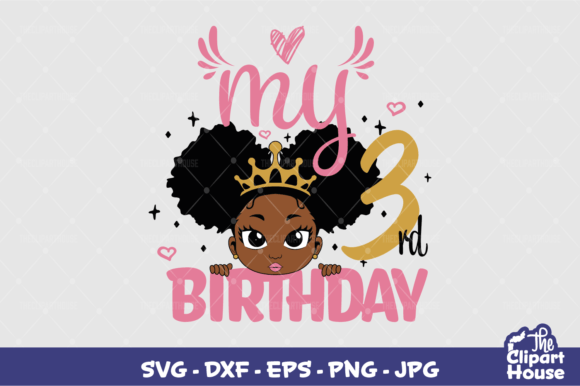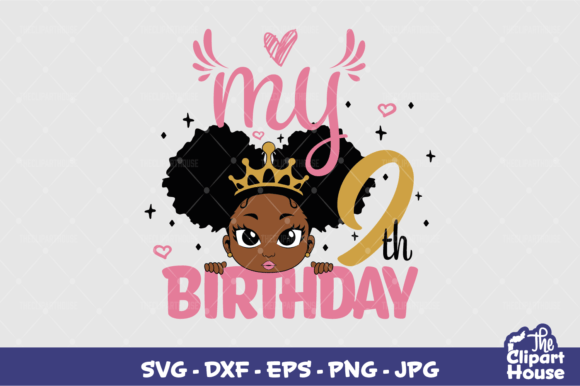
My 9th Birthday Girl
A Designer’s First Look: Charm with Clear Intent
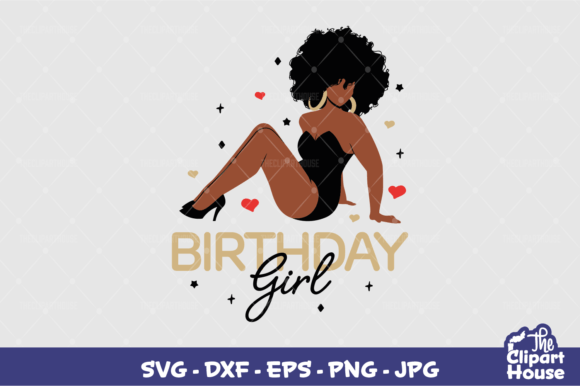
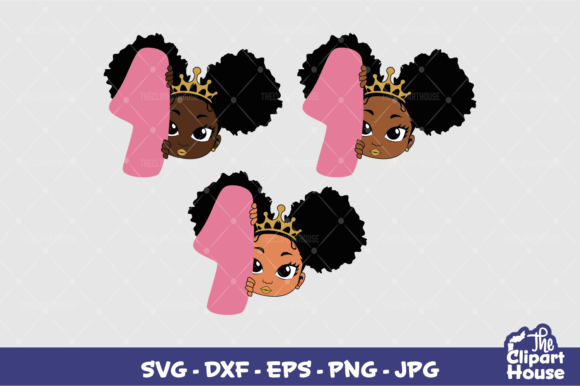
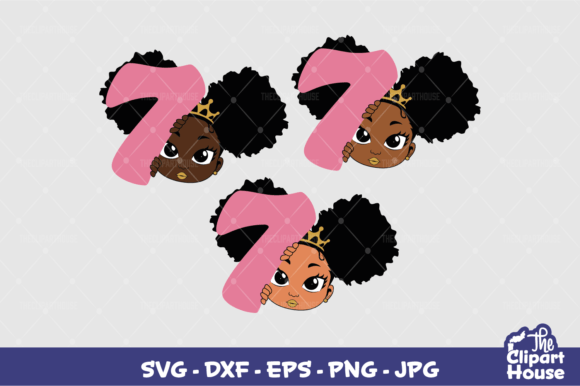
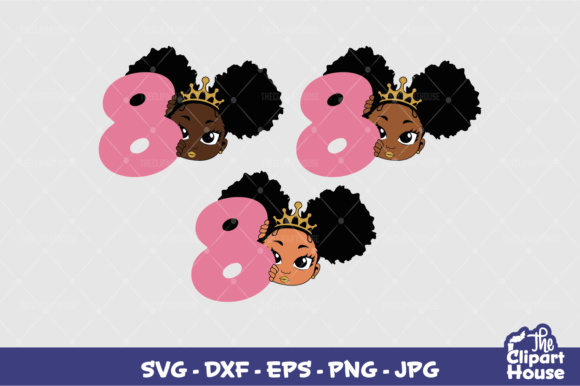
When My 9th Birthday Girl appeared on my screen, I didn’t see just another birthday graphic—I saw a moment. A confident, joyful, slightly nostalgic nod to childhood milestones, rendered with clean lines and balanced negative space. It’s not overly cutesy, nor is it minimalist to the point of coldness. There’s warmth in the lettering, playfulness in the implied celebration, and just enough detail to feel intentional—not rushed or auto-generated. As someone who regularly selects embroidery files for client projects and small-batch merchandise, I immediately pictured this stitched onto a soft cotton tote bag for a birthday party planner, or embroidered on the chest of a lightweight sweatshirt for a pre-teen’s “big year” gift.
Where This Design Truly Shines
My 9th Birthday Girl works beautifully as a machine embroidery design on stable, medium-weight fabrics—think structured tote bags, twill aprons, linen pillow covers, and midweight cotton tea towels. I recently tested a similar style (same visual family) on a custom-ordered baby blanket for a boutique client, and the clarity held up even at 3.5 inches wide. The lettering remains legible, the proportions stay friendly, and the overall shape nests cleanly within standard hoops. That same reliability carries over here.
For craft business owners and Etsy sellers, My 9th Birthday Girl is a smart addition to your digital embroidery file library because it bridges personalization and commercial appeal. It reads clearly on mockups—whether you’re showing it on a light grey crewneck or a navy denim jacket—and translates well into printable formats like iron-on transfers for kids’ t-shirts or sticker sheets for party favors. As a Graphics asset, it supports multiple production paths without needing heavy redesign.
Real-World Considerations Before You Stitch
Let’s be practical: not every surface welcomes My 9th Birthday Girl equally. On highly textured fabrics—like bouclé knits or thick terry cloth—the finer elements (especially the subtle curves in the “9” or delicate spacing between letters) can blur or disappear under dense pile. Similarly, stretchy fabrics—think ribbed cotton jersey or lightweight performance knits—require careful hooping, stabilizer layering, and possibly slight digitizing tweaks to prevent distortion during stitching.
I’d also pause before using it on curved surfaces like caps or beanies unless the file includes a cap-optimized version. Standard flat embroidery files often pull or pucker when forced onto tight, rounded areas. And while the design looks crisp in digital previews, tiny details may soften on dark fabric if thread contrast isn’t considered—so always test stitch in your intended thread colors on scrap fabric first.
Stitch Density & Detail Integrity
The visual rhythm of My 9th Birthday Girl suggests moderate stitch density—likely a mix of satin stitch for outlines and smooth fill stitch for solid areas. That’s good news: it means lower risk of puckering on stable fabrics and faster sew-out times for small shop owners managing volume. But it also means you’ll want to inspect the corners and inner curves closely. Does the “G” in “Girl” hold its shape? Does the tail of the “9” stay crisp, or does it feather into a blob? These are the quiet details that separate a polished finished product from one that feels mass-produced.
Fabric & Finish: What Holds Up Over Time
This isn’t a high-density monogram—it’s a celebratory phrase meant to be seen, not scrutinized. So while it holds up well on cotton, linen, and polyester-cotton blends, I’d avoid thin, slippery fabrics like rayon challis or lightweight silk unless paired with strong cutaway stabilizer and reduced top tension. For items that face frequent washing—baby onesies, kitchen towels, or personalized lunch bags—confirm whether the file includes underlay stitches and proper jump-thread management. Those small technical choices directly affect how sharp the design looks after five washes.
Brand Voice, Customer Trust, and Handmade Presentation
What makes My 9th Birthday Girl more than just decoration is how it supports storytelling. When a customer orders a custom embroidered sweatshirt with this design, they’re not buying thread and fabric—they’re buying recognition, milestone acknowledgment, and care. That emotional resonance elevates perceived value. For small shop owners, using a design this cohesive and age-appropriate reinforces brand consistency across listings, social posts, and packaging. Buyers notice when typography feels intentional, spacing feels generous, and the overall mood matches the occasion.
It also performs well in printable mockups—crucial for Etsy sellers building listings. Whether placed on a kraft paper invitation or a pastel nursery wall print, My 9th Birthday Girl maintains readability and charm without relying on color alone. That versatility strengthens your digital product previews and helps customers imagine the item in their own world.
Practical Notes Every Embroidery Designer Should Check
- Always run a test stitch on scrap fabric matching your final project’s weight and weave.
- Compare how My 9th Birthday Girl looks in black thread on white fabric versus white thread on navy—contrast matters more than you think.
- Review stitch density visually in your embroidery software; dense fills may need reduced density for lightweight fabrics.
- Confirm hoop size compatibility—especially if you work with smaller machines or specialty hoops.
- Inspect small details at 200% zoom: letter terminals, curve junctions, and kerning should look intentional, not accidental.
- Test the design in grayscale mockups to assess tonal balance before committing to full-color renders.
- Use appropriate stabilizer—tear-away for stable wovens, cutaway for knits, and fusible for lightweight layers.
- Verify licensing terms before selling finished embroidered items or bundling My 9th Birthday Girl into digital product kits—this is non-negotiable for craft business owners.
Final Thought: A Thoughtful Tool, Not Just a Trend
My 9th Birthday Girl isn’t flashy—but it doesn’t need to be. It’s the kind of Crafts asset that earns repeat use because it solves real problems: marking a meaningful age with grace, fitting neatly into common product categories, and holding up across embroidery, printing, and digital contexts. For designers, makers, and small business owners, that kind of quiet reliability is rare—and worth keeping close.