Juneteenth Text Girl
A Designer’s First Look: Clean, Confident, and Culturally Grounded
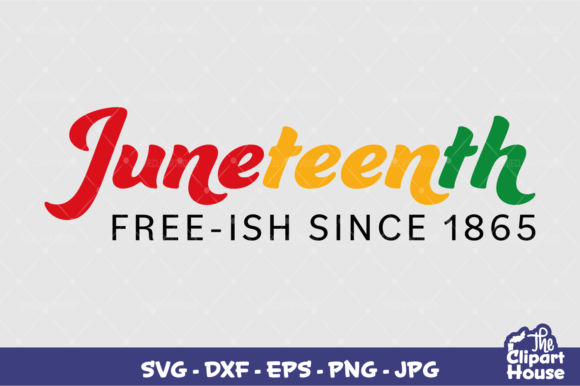
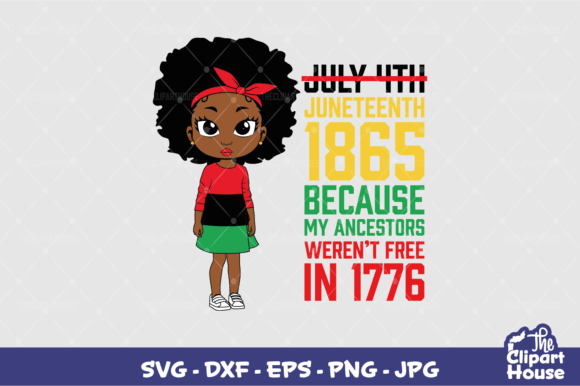
When Juneteenth Text Girl landed in my inbox, I paused—not because it’s flashy, but because it’s quietly intentional. As a designer who’s stitched hundreds of holiday, cultural, and personalized pieces for clients and my own craft business, I immediately scanned the layout: bold uppercase lettering with subtle rounded edges, no extra flourishes or clip-art clutter, just strong, legible typography anchored by thoughtful spacing. It feels celebratory without being loud, respectful without being stiff. That balance matters—especially for Juneteenth, where authenticity and dignity are non-negotiable. This isn’t a design you slap on a shirt and call it done. It’s one you choose *because* it fits the moment—and your customer’s values.
Real-World Test: Embroidering a Cotton Canvas Tote for a Local Boutique
Last week, I used Juneteenth Text Girl to embroider a set of 12 cotton canvas totes for a neighborhood boutique launching its Juneteenth collection. We chose a mid-weight natural canvas (not too stiff, not too thin), medium-bobbin stabilizer, and matte black thread on cream fabric. The result? Crisp, confident stitching—no skipped stitches, no puckering. The letterforms held up beautifully at 4.5 inches wide, and the satin-stitched outer edges gave just enough polish without looking synthetic. Customers responded strongly—not just to the message, but to how *handmade* it felt. That’s the quiet power of this design: it reads as intentional craftsmanship, not mass-produced graphics.
Where It Shines (and Where It Needs Care)
Juneteenth Text Girl works exceptionally well for:
- Custom apparel—especially sweatshirts, crewnecks, and structured tote bags where clean text reads clearly from a distance;
- Embroidered patches—its open letter spacing and moderate height make it ideal for sew-on or iron-on patches on denim jackets or backpacks;
- Baby embroidery—on onesies or burp cloths, using soft pastel threads, it carries warmth without overwhelming delicate scale;
- Holiday embroidery and personalized gifts, like pillow covers or tea towels for family gatherings—where clarity and cultural resonance matter more than ornamentation;
- Small shop product branding—think aprons for Black-owned bakeries or kitchen towels for community co-ops.
But here’s where attention is needed:
- Small hoop sizes: Below 3 inches wide, fine details (like tight inner curves in “G” or “R”) may compress or lose definition—test first on scrap fabric;
- Textured or stretchy fabric: On terry cloth towels or jersey tees, use cutaway stabilizer and reduce stitch density slightly to avoid distortion;
- Dark fabric: While it prints cleanly, embroidery thread contrast becomes critical—avoid light gray on navy unless you’re using high-contrast thread (e.g., white or gold metallic);
- Curved surfaces: Caps and beanies require careful digitizing adjustments—this file wasn’t built for curve compensation, so test on a cap blank before committing;
- Frequent-wash items: For baby clothes or kitchen linens, reinforce backstitching at start/end points and confirm thread durability with your vendor.
What It Adds to Your Finished Product—Beyond Aesthetics
Using Juneteenth Text Girl doesn’t just fill space—it elevates perception. On an Etsy listing, it signals cultural fluency and care. In a craft fair booth, it invites conversation—not just about Juneteenth, but about your standards as a maker. Customers notice when lettering is evenly spaced, when edges are smooth, when the design breathes on the fabric instead of fighting it. That translates directly to customer trust, brand consistency, and stronger buyer engagement. And because it avoids clichés (no waving flags, no stylized stars), it stays relevant beyond a single season—making it a smart long-term addition to your design assets.
Practical Notes Every Embroidery Designer Should Run Through
Before stitching your first machine embroidery design from Juneteenth Text Girl, do these six things:
- Test on scrap fabric—same weight, same weave, same stabilizer combo you’ll use for the final piece;
- Check thread color contrast in natural light *and* under store lighting—what reads well on screen may fade on dark denim;
- Review stitch density in your embroidery software—if fill areas feel overly dense, lighten them slightly to prevent stiffness;
- Confirm hoop size compatibility—if your machine’s smallest hoop is 4x4”, verify the design fits comfortably within that boundary;
- Inspect small details at 200% zoom—look for stray running stitches or unbalanced satin columns;
- Use proper stabilizer—especially for lightweight or knit fabrics; skip tear-away if you’re doing high-density satin work.
Final Thought: A Design That Serves Both People and Purpose
Juneteenth Text Girl isn’t just another digital embroidery file. It’s a tool for meaningful making. Whether you’re an Etsy seller building a culturally rooted shop, a small business owner creating inclusive merchandise, or a hobbyist stitching a personalized gift for a loved one—it supports intention over impulse. It respects the weight of the occasion while staying flexible enough for everyday craft use. Just remember: even the strongest embroidery project starts with thoughtful prep. So download it, test it, tweak it—and then let it speak clearly, confidently, and kindly.