Juneteenth Freedom Day Since 1865
A First Look at the Design
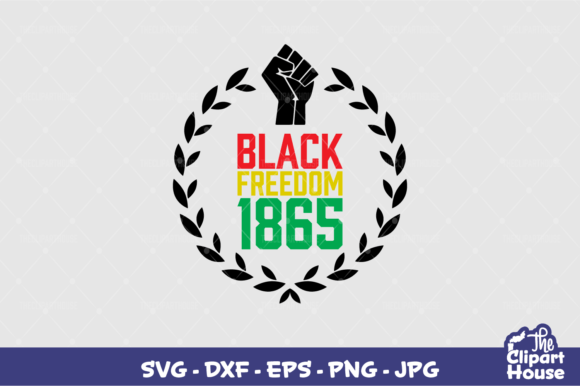
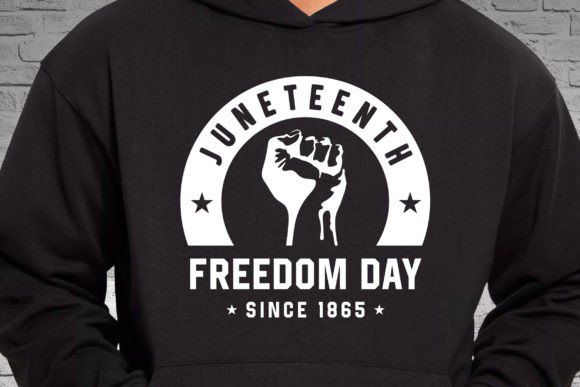
When I first opened the file for Juneteenth Freedom Day Since 1865, I was struck by its emotional weight and visual clarity. The design is clean, with a strong focus on the central image of a raised hand—a powerful symbol of freedom and resilience. The layout is balanced, with thoughtful spacing that allows the main subject to stand out without overwhelming the viewer. This makes it an excellent choice for both personal and commercial use.
The color palette is muted but intentional, with deep blues and reds that evoke history and pride. The text is crisp and readable, which is crucial for embroidery where legibility can be compromised by fabric texture or stitching density. The overall mood is respectful and dignified, fitting for a design that honors a significant historical moment.
Real-Life Use Case: Custom Tote Bag Embroidery
Let’s imagine a scenario where I’m preparing a custom tote bag for a local community event. The client wants to celebrate Juneteenth with a meaningful design that will resonate with attendees. I choose Juneteenth Freedom Day Since 1865 as the centerpiece. The raised hand is large enough to be visible from a distance, making it ideal for a tote bag that might be carried through crowds.
The design’s simplicity means it won’t compete with the fabric texture or the tote bag’s own pattern. However, I need to consider the hoop size and stabilizer type. A medium hoop would work best here, ensuring the design fits comfortably without stretching. I also test the thread colors against a light-colored fabric to ensure contrast and readability.
Embroidery Performance in Real Projects
Juneteenth Freedom Day Since 1865 performs well in a variety of embroidery applications. On t-shirts, it holds up beautifully, especially when paired with a solid-colored fabric. The satin stitch and fill stitch techniques used in the design create a smooth, polished look that’s suitable for both casual and formal wear.
On sweatshirts and baby clothes, the design remains clear and distinct. The raised hand is large enough to be noticeable without being too intrusive. For caps and hats, the design needs careful placement to avoid distortion, especially around curved surfaces. I recommend testing it on a scrap piece first to ensure the layout works as intended.
When applied to patches or embroidered accents, the design’s detail level shines. The fine lines and subtle shading add depth without overwhelming the small format. This makes it a great option for personalized gifts like keychains or jewelry tags.
Design Considerations for Specific Fabrics and Products
There are some scenarios where Juneteenth Freedom Day Since 1865 may require extra care. On dark fabrics, the contrast between the design and the background can be less pronounced, so I suggest using lighter thread colors or adjusting the design’s brightness. Textured fabrics may also affect the stitching clarity, requiring a higher-quality stabilizer to maintain sharp edges.
For stretchy fabrics like denim or cotton blends, the design should be tested for stability. Dense stitch areas, such as the hand itself, can cause puckering if not properly supported. Using a tear-away stabilizer and adjusting the hoop tension can help prevent this issue.
Products like tea towels and kitchen towels benefit from the design’s durability. The embroidery should withstand frequent washing without fading or fraying. Testing the design on a sample towel before mass production is a wise step to ensure long-term quality.
Visual Appeal and Customer Trust
Juneteenth Freedom Day Since 1865 has a strong visual appeal that can elevate the perceived value of a handmade product. The design’s attention to detail and historical context make it appealing to customers who appreciate meaningful and well-crafted items.
From a customer trust perspective, the design’s clarity and consistency contribute to a professional finish. Handmade products with clear, well-executed embroidery tend to receive more positive feedback, especially in markets like Etsy or craft fairs. The design’s ability to fit into various project types—whether it's a custom apparel item or a boutique branding asset—makes it versatile and marketable.
Practical Designer Notes
- Test the design on scrap fabric first: Always check how the design looks on different materials before committing to a final product.
- Check thread color contrast: Ensure the chosen thread colors provide sufficient contrast against the fabric background.
- Review stitch density: Adjust settings if necessary to prevent over-stitching or under-stitching, especially in dense areas.
- Confirm hoop size: Choose a hoop that fits the design comfortably without distorting the layout.
- Inspect small details: Pay close attention to tiny lettering or intricate patterns that may be missed during initial review.
- Test in black and white mockups: This helps identify potential issues with contrast and clarity.
- Compare light and dark backgrounds: Ensure the design works across different fabric types and lighting conditions.
- Use proper stabilizer: This is essential for maintaining shape and preventing puckering, especially on delicate or stretchy fabrics.
- Check licensing terms: Before selling finished items or digital products, confirm the licensing rights to avoid legal issues.
Final Thoughts on Juneteenth Freedom Day Since 1865
Juneteenth Freedom Day Since 1865 is a thoughtful, well-structured design that offers versatility and emotional resonance. Whether you're creating custom apparel, personalized gifts, or brand assets, this design has the potential to make a meaningful impact. Its adaptability across various projects and fabrics makes it a valuable addition to any designer’s toolkit.
As a professional embroiderer, I recommend approaching this design with care, especially when working with challenging materials or small-scale projects. With the right preparation and attention to detail, Juneteenth Freedom Day Since 1865 can become a standout piece in your portfolio and a cherished item for your customers.