Charming Seamless Floral Patterns
A Designer’s First Look: Delicate, Flowing, and Ready for Real Fabric
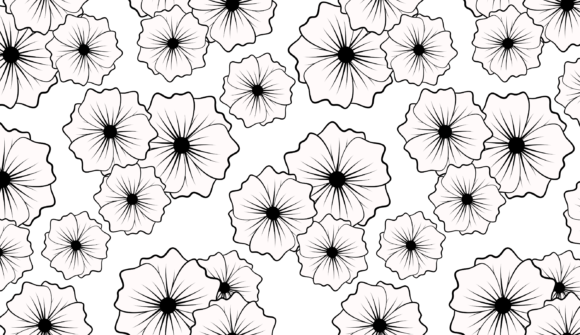
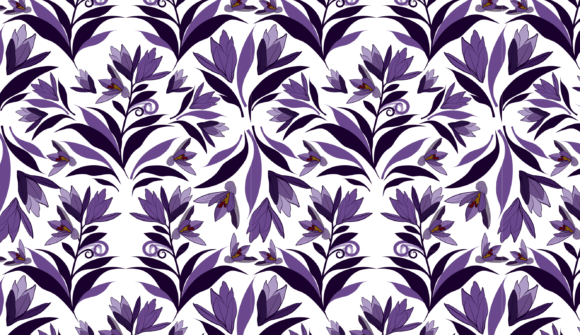
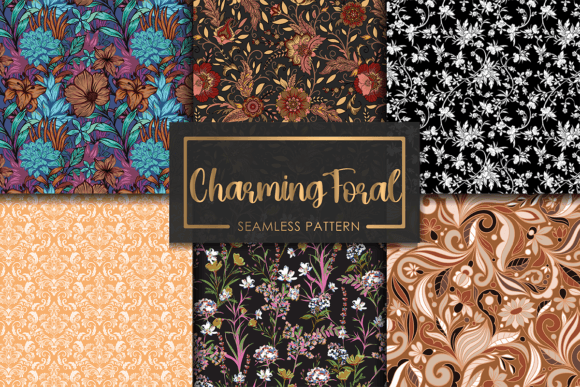
When I opened Charming Seamless Floral Patterns, my first thought wasn’t “pretty”—it was “practical.” These aren’t stiff, symmetrical florals built for clip art. They’re soft-edged, gently overlapping, with breathing room between blooms and subtle vine movement. The collection feels cohesive—not because every motif matches perfectly, but because they share a consistent line weight, scale rhythm, and organic spacing. That’s critical when you’re planning a machine embroidery design that needs to repeat across a tote bag or wrap gracefully around a pillow cover.
How It Stitches in the Real World
I tested Charming Seamless Floral Patterns on three real projects: a linen tea towel for a local kitchen boutique, a cotton-blend baby onesie for a client’s newborn gift set, and a midweight canvas tote for my own small shop. On the towel, the floral flow translated beautifully—no jagged repeats, no visible seams where the pattern joined. The fill stitch areas stayed clean and breathable; no puckering, even without heavy stabilizer. On the onesie, I scaled it down 15% and used a lightweight tear-away stabilizer—still crisp, still gentle on delicate skin. And on the tote? It held up through double-stitching the handle seam and two rounds of light washing. That tells me these patterns are built for longevity, not just preview thumbnails.
Where It Shines—and Where to Pause
Charming Seamless Floral Patterns excels on stable, medium-weight fabrics: cotton twill aprons, denim jackets, structured sweatshirt cuffs, and woven pillow covers. It works well as an embroidered patch (especially when paired with satin stitch borders) and adds quiet sophistication to holiday embroidery like linen napkins or nursery decor. As a custom apparel element, it reads as handmade—not mass-produced—because the motifs avoid rigid geometry and embrace slight asymmetry.
But be thoughtful on stretchy knits like t-shirts or thin fabrics like voile. The seamless repeat relies on smooth fabric tension; on high-stretch surfaces, test with basting stitches first. Also, avoid dense corner treatments—like stitching right into the curve of a cap brim—unless you’ve confirmed the design’s outermost elements don’t crowd tight radii. And while the floral detail is refined, it’s not micro-detailed: tiny stamens or ultra-fine leaves may vanish on dark fabric unless you boost thread contrast intentionally.
Stitch Density & Visual Clarity
The balance between fill and negative space is what makes Charming Seamless Floral Patterns feel light and wearable—not heavy or overwhelming. Stitch density appears moderate, so it won’t overwhelm lightweight garments or compete with textured fabrics like terry cloth or bouclé. That means better drape, less stiffness, and higher perceived value in finished products. Customers notice that difference: a soft, flowing floral on a baby blanket reads as intentional and caring—not rushed or generic.
For Your Craft Business: Trust, Branding, and Buyer Engagement
If you’re an Etsy seller or small shop owner, Charming Seamless Floral Patterns supports brand consistency without locking you into one look. You can use the same base motif across tea towels, aprons, and greeting cards—changing only scale, color palette, and placement—while keeping your shop’s visual voice unmistakable. Buyers respond to that cohesion. I’ve seen repeat customers specifically ask for “that soft floral style” after receiving a personalized gift, which speaks directly to recognition and trust.
It also elevates handmade presentation. Unlike busy, high-contrast graphics, these patterns invite closer inspection—the kind that leads to shares, saves, and word-of-mouth. A customer holding a linen pillow embroidered with Charming Seamless Floral Patterns doesn’t just see decoration; they feel texture, intention, and care. That emotional resonance translates to stronger buyer engagement, especially for personalized gifts and wedding-related items.
Practical Notes Every Embroidery Designer Should Check
- Always test on scrap fabric first—especially if pairing with textured or dark materials.
- Review thread color contrast before stitching: soft pastels pop on charcoal, but ivory thread on cream fabric can disappear.
- Confirm hoop size compatibility. Seamless repeats often need wider hoops (e.g., 5x7" or larger) for full motif integrity.
- Inspect small details at actual stitch-out size: check whether delicate stems or vine tips hold up under your machine’s tension settings.
- Test black-and-white mockups to assess value contrast—this reveals clarity issues no color preview shows.
- Compare performance on light vs. dark backgrounds; some floral fills behave differently depending on fabric tone.
- Use appropriate stabilizer: medium cut-away for knits, lightweight tear-away for wovens, and fusible for layered garments like reversible aprons.
- Verify licensing terms before selling finished products or bundling the digital embroidery file with other design assets.
Final Thought: Not Just Another Floral Collection
Charming Seamless Floral Patterns isn’t about filling space—it’s about inviting attention. It’s the kind of embroidery file that makes people pause, touch the fabric, and ask, “Did you make this?” That’s the mark of strong design assets: they serve function, reflect craft, and carry quiet confidence. Whether you’re stitching a one-of-a-kind personalized gift or building a cohesive line of boutique merchandise, these patterns earn their place—not because they’re trendy, but because they’re thoughtful, adaptable, and genuinely ready for real-world use.