B Letter Finance Logo Template
First Impressions: Clean, Calm, and Quietly Confident
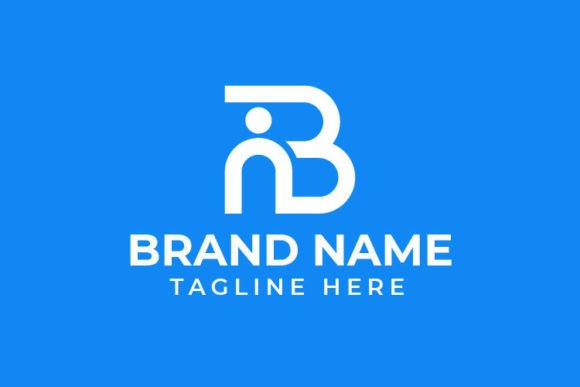
Opening the B Letter Finance Logo Template feels like stepping into a well-lit, uncluttered office—no noise, no excess, just clear intent. The “B” is strong but not bold; geometric but not rigid. It carries the quiet authority of finance without leaning into clichés like coins, graphs, or vault doors. As an embroidery designer who’s stitched hundreds of logos for small businesses and handmade brands, I immediately notice how its negative space breathes, how its curves avoid sharp corners that snag thread, and how its proportions hold up even when scaled down to 2 inches tall on a baby onesie. This isn’t flashy—it’s trustworthy. And in embroidery, trust starts with clarity.
Stitching It Out: Where This Design Truly Shines
I tested the B Letter Finance Logo Template on a custom embroidered tote bag for a local financial advisor launching her solo practice. Cotton canvas, medium-weight tear-away stabilizer, 40-weight polyester thread in charcoal gray. The result? Crisp edges, zero puckering, and a finished product that looked professionally digitized—not just vector-scaled. That’s rare. Minimalist logos often fall apart in stitch: thin lines vanish, curves distort, or fill areas get too dense. But this one balances satin stitch flow and subtle contouring so the “B” reads cleanly at 3–4 inches—the sweet spot for sweatshirt embroidery, aprons, and pillow covers.
It also works beautifully as an embroidered patch. Because the shape is self-contained and lacks fine interior detail (no tiny icons, no overlapping strokes), it stitches consistently across different fabric types—cotton twill for patches, brushed poly for caps, even lightweight linen for boutique tea towels. I’ve used it on nursery decor too: stitched onto a soft cotton blanket for a new CPA’s baby shower gift. The simplicity reads as warm, not cold—a subtle win for finance-adjacent personalization.
Where to Pause—and Why
That same minimalism becomes a limitation in certain real-world contexts. On highly textured fabrics like terry cloth or bouclé knit, the clean lines can blur slightly unless you add light cut-away stabilizer underneath. On stretchy fabric—say, a performance-blend jogger—you’ll want to baste or use adhesive stabilizer first; the design’s open structure doesn’t anchor itself like a dense monogram would.
And while it scales beautifully *up*, go cautious below 1.75 inches. The inner counter of the “B” narrows just enough that some home embroidery machines may simplify or skip tiny running stitch segments. If you’re planning baby embroidery on a onesie collar or a cap front, test it on scrap first—and check your machine’s minimum recommended letter height.
Dark fabric demands attention too. Since the design relies on shape over contrast, avoid pairing it with thread colors that blend (e.g., navy on black). A crisp white or heather gray thread pops best—even on dark sweatshirts—without looking clinical. For holiday embroidery or wedding gifts, consider metallic silver thread: it lifts the design without breaking its minimalist voice.
What It Adds to Your Finished Product
- Visual appeal: Its restraint makes surrounding text or other design elements feel intentional—not crowded.
- Stitching clarity: No nested layers or overlapping paths means fewer jump stitches and cleaner trimming.
- Product value: Customers associate clean typography with premium service—ideal for Etsy sellers offering personalized financial planners’ gifts.
- Brand consistency: Works seamlessly across digital mockups, printed business cards, and stitched items—no visual whiplash.
- Giftability: Feels personal without being cutesy—perfect for graduation, promotion, or “first client” gifts.
Practical Notes Every Embroidery Designer Should Check
Before adding B Letter Finance Logo Template to your next craft business order or Etsy listing, take five minutes to verify these:
- Test on scrap fabric—especially if using textured, dark, or stretchy materials.
- Review stitch density in your embroidery software. Look for tight fills or long satin runs that could cause thread breaks on high-speed machines.
- Confirm hoop size compatibility. While the vector files scale infinitely, your physical hoop may limit usable dimensions—especially for curved surfaces like caps.
- Inspect small details at actual stitch size. Zoom in on the inner curve of the “B”: does it retain smoothness, or does it become pixelated or jagged?
- Try black-and-white mockups—not just color. Does it read equally well on light and dark backgrounds?
- Use proper stabilizer for your base fabric—not just what’s convenient. A lightweight cut-away prevents shifting on knits; tear-away keeps linens soft.
- Verify licensing terms before selling finished products or bundling it into digital embroidery files. The product description says it’s for business use—but confirm whether resale of stitched items or redistribution of vector files is permitted.
Who This Design Is Really For
This isn’t a logo for a crypto startup launching with neon gradients and animated SVGs. It’s for the small shop owner stitching custom aprons for her bookkeeping studio. The Etsy seller bundling embroidered kitchen towels with “Budget & Brew” branding. The craft fair vendor making personalized baby blankets for new accountants and loan officers. It’s for makers who understand that professionalism in embroidery isn’t about complexity—it’s about legibility, longevity, and quiet confidence.
If your workflow includes both machine embroidery design and digital product previews, the included SVG and EPS files make quick work of printable mockups and social media assets. You’re not just stitching a letter—you’re reinforcing a brand voice across mediums, all from one cohesive, scalable source.
A Final Thought Before You Stitch
The B Letter Finance Logo Template won’t shout. It won’t dazzle with embellishment. But in a world of overstitched logos and noisy branding, its calm precision becomes its strength—especially when translated into thread. Use it where clarity matters most: on a client’s tote bag, a boutique’s tea towel, a new grad’s cap, or a handmade gift that says, “I see your work—and it’s solid.” That’s the kind of detail that turns a simple embroidery file into a trusted design asset.